
Why Marriage of Convenience Romance Never Fails Me
Why the Marriage of Convenience Trope Feels So Safe, So Satisfying, and So Deeply Romantic
There’s something almost irresistible about a marriage of convenience romance.
Maybe it starts with a drunken Vegas mistake.
Maybe it’s a business arrangement.
Maybe it’s inheritance drama, visa trouble, family pressure, or two people trying to fix a mess they absolutely did not mean to create.
Whatever gets them to the altar, the magic of this trope begins the moment two people agree to pretend commitment before they’re ready for the emotional truth of it.
And honestly? That’s exactly why it works.
The Promise of Built-In Connection
At its core, marriage of convenience creates immediate emotional stakes.
Unlike a casual fake date or even forced proximity, marriage changes the emotional architecture of the story. These characters are suddenly tied together in a way that feels bigger, heavier, and more intimate. They have to share space, decisions, routines, and often the small private corners of life most people never get to see.
The trope naturally invites domesticity:
- shared beds
- shared bathrooms
- meeting family
- navigating finances
- becoming each other’s default person
That kind of closeness creates fertile ground for yearning.
For readers who crave deeper emotional connection, more pining, and that slow ache of wanting what’s already technically yours, marriage of convenience delivers in the most delicious way.
The ring is there.
The vows are there.
The feelings are the only thing lagging behind.
And that tension? Incredible.
Why It Feels Like a “Safe” Trope
I’ve always thought marriage of convenience feels safe because the relationship comes with an inherent promise.
Even when the characters are fighting their feelings, there’s a sense that they’re already bound to each other. The structure of the trope gives readers reassurance: these two people have to keep showing up.
There’s no easy ghosting.
No quick third-act breakup that sends them into separate zip codes.
No walking away after one misunderstanding.
Instead, they’re required to stay in the emotional arena together.
That creates a kind of safety net for readers who love angst but still want security. We get the emotional tension, the pining, the longing, the “this shouldn’t feel real” spiral, but all of it happens inside a container that already promises closeness.
It’s yearning with guardrails.
The Secret Strength: It Deepens Other Tropes
One of the reasons marriage of convenience is so endlessly rereadable is how beautifully it layers with other tropes.
In enemies-to-lovers, the marriage raises the stakes because now they can’t just avoid each other. Every irritation becomes charged with intimacy. Every fight happens in shared space. Every crack in the armor feels more personal.
In friends-to-lovers, the marriage often acts like a pressure cooker. Suddenly all those feelings they’ve carefully buried become impossible to ignore because the emotional and physical closeness has intensified.
Even accidental marriage stories, which are some of my personal favorites, use this beautifully.
There’s something so satisfying about two characters making a mistake, trying to contain the fallout, and then realizing the “solution” they created has only pushed them closer to the truth of what they really want.
It’s chaos with a heartbeat.
Why Readers Keep Coming Back
I think readers return to marriage of convenience because it offers something deeply comforting: love growing after commitment.
It flips the usual romance arc.
Instead of falling in love and then choosing forever, these characters choose forever first and then have to grow into the emotional truth of what that means.
That journey creates incredible opportunities for:
- yearning
- caretaking
- vulnerability
- emotional intimacy
- pining over what already belongs to them
- discovering love in ordinary domestic moments
It lets romance linger in the quiet places.
A hand on the small of the back at a family dinner.
The first time one of them says “my spouse” and means it.
The moment pretend concern becomes real panic.
The instant obligation turns into devotion.
That’s the stuff.
Marriage of convenience reminds us that sometimes love doesn’t begin with certainty.
Sometimes it begins with circumstance, proximity, and a choice made for all the wrong reasons that slowly becomes the most right thing in the world.
And maybe that’s why it feels so safe.
Because beneath the tension, the trope promises that love has room to grow.
Even after the paperwork is signed.
A Few Marriage of Convenience Favorites to Start With
If you’re like me and this trope is an automatic one-click, here are a few marriage of convenience romances I absolutely love:
- If You Claim Me by Helena Hunting
- Catch Her If You Can by Tessa Bailey
- Call Me Crazy by Melanie Harlow
- Marry Lies by Amanda Richardson
- Painted Scars by Neva Altaj
- The Co-op by Tarah DeWitt
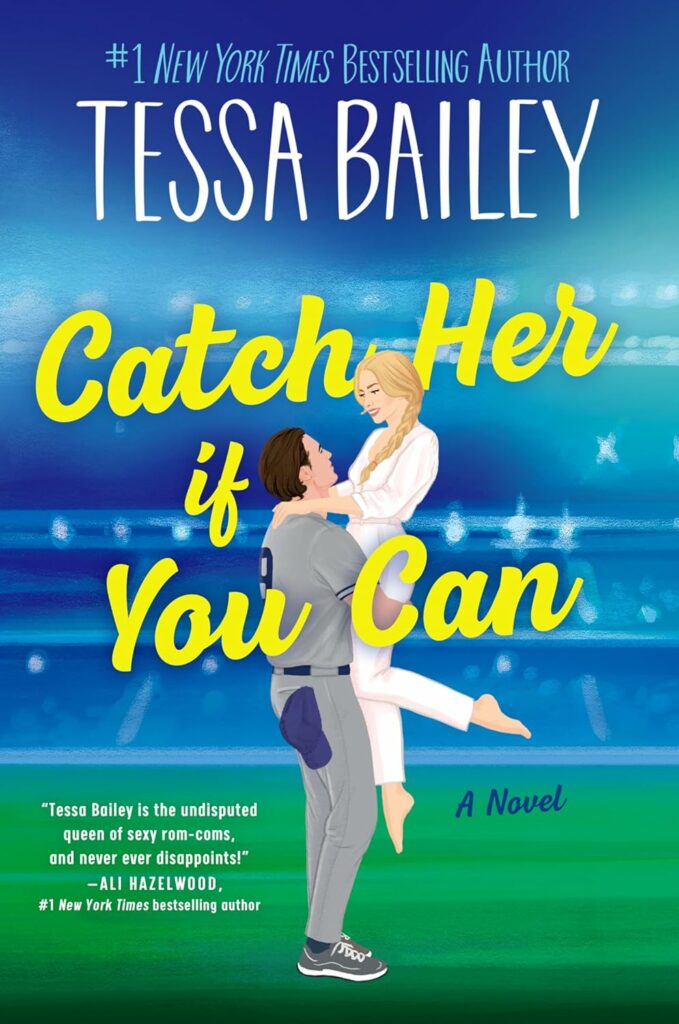
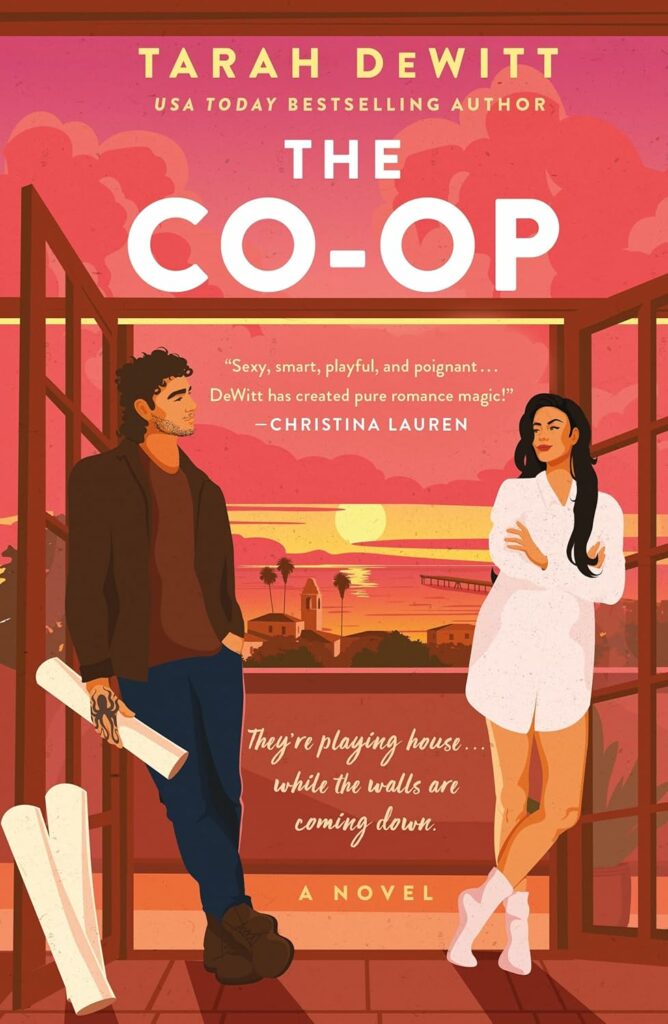




What I love about these is that they each use the trope a little differently. Some lean into the mistake-and-fix-the-fallout energy, some thrive on tension and bargaining, and some use domestic closeness to slowly crack open feelings that have been buried for far too long.
That range is part of why marriage of convenience keeps working. The setup is familiar, but the emotional payoff can feel wildly different every time.